
Hsinchu, Taiwan – As quantum computing continues to evolve, the security of existing public-key cryptography systems such as RSA and ECC is facing growing long-term challenges. This transition is driving a new wave of cybersecurity transformation across the Internet of Things (IoT) industry. Post-Quantum Cryptography (PQC) is a next-generation security technology designed to withstand future attacks from quantum computers while continuing to protect device authentication, secure communications, and firmware updates.

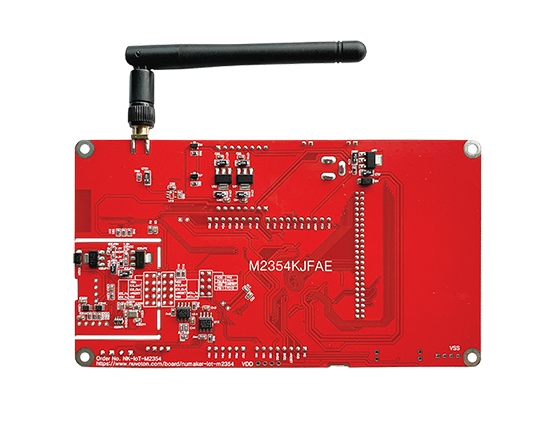
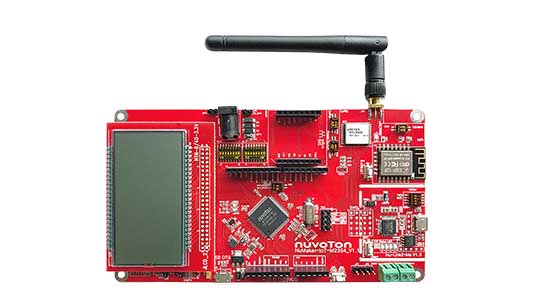
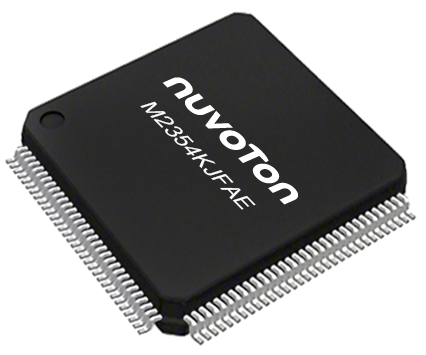
Nuvoton Technology recently announced that its secure microcontroller, the NuMicro® M2354 series, has successfully implemented PQC technology based on the MicroPQC framework. Through highly optimized software implementation techniques, combined with Arm® TrustZone® hardware security architecture and PSA Certified / SESIP Level 3 security capabilities, the NuMicro® M2354 provides a “Quantum-Ready” platform without sacrificing power efficiency or system performance.

Implementing PQC on a resource-constrained Cortex®-M23 platform is particularly challenging due to the intensive computational and memory requirements of post-quantum algorithms. To address this challenge, the development team performed extensive optimization of the Number Theoretic Transform (NTT) algorithm on the NuMicro® M2354 architecture, reducing the cycle count by approximately 30% compared to generic reference implementations. In addition, through memory optimization techniques, the RAM usage of ML-KEM-768 was successfully reduced to below 12 KB. This enables the NuMicro® M2354 to maintain low-power operation while supporting post-quantum security within limited SRAM resources.
In terms of algorithm support, the NuMicro® M2354 addresses both international standards and regional market requirements. In addition to supporting NIST-recommended algorithms such as ML-KEM and ML-DSA, the platform also incorporates candidate algorithms from the Korean Post-Quantum Cryptography (K-PQC) initiative. These include the memory-efficient AIMer128f digital signature algorithm and the SMAUG-T1 key exchange algorithm featuring extremely low stack memory usage. This broad algorithm support allows the NuMicro® M2354 to satisfy both global PQC standards and localized Korean cryptographic requirements.
Through the integration of post-quantum cryptography technologies into the NuMicro® M2354 platform, Nuvoton demonstrates the feasibility of implementing PQC on resource-constrained MCU architectures. This quantum-ready solution can be applied to servers, drones, robotics, and a wide range of IoT applications, helping strengthen device authentication, secure firmware updates, and data protection mechanisms. It also enables developers to prepare for the cybersecurity challenges of the post-quantum era while improving long-term resilience against future quantum threats.