

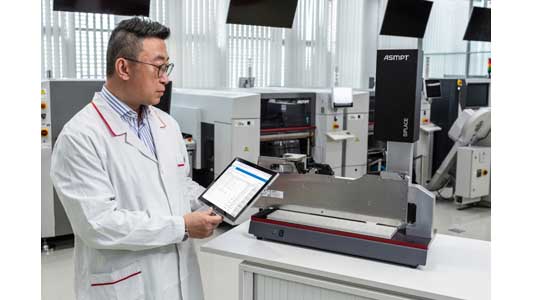
Singapore – ASMPT SMT Solutions, the global market and technology leader in integrated hardware and software solutions for intelligent electronics production, is expanding its closed-loop maintenance concept. With the Factory Equipment Center application, users can now integrate their placement heads into controlled maintenance cycles in addition to feeders and nozzles. ASMPT’s software solution for asset and maintenance management creates transparency about the status and location of movable SIPLACE manufacturing equipment. Usage-based maintenance and the controlled return of inspected components to the shop floor help to improve the process reliability, productivity and availability of SMT lines.
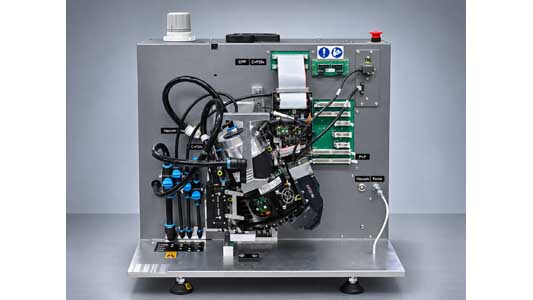
Image source: ASMPT
Feeders, nozzles and placement heads are constantly on the move between machines, the setup area, the warehouse, and the maintenance department. To ensure a reliable production flow, you should know at all times where each asset is located along with its condition and its availability. ASMPT’s Factory Equipment Center application for factory-wide asset and maintenance management provides this information by reading machine data, tracking individual assets, evaluating operating data, initiating maintenance, and documenting each asset’s status. Items in need of repair or maintenance are removed from the production operation and returned only when they have passed their function tests. “ASMPT follows the same basic principle for feeders, nozzles and placement heads: the status of each asset is known and its functional availability verified,” is how Eric Kirschner, Senior Product Manager at ASMPT SMT Solutions, describes the common basis of the closed-loop processes.
Less downtime for placement head maintenance
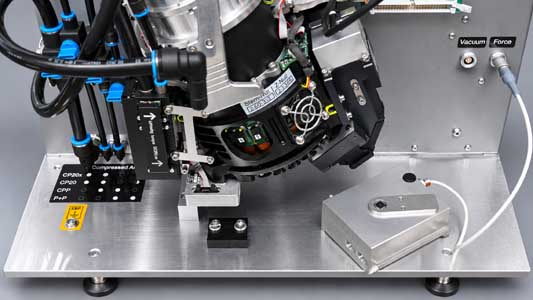
The improvement potential of this approach is particularly great when it comes to placement head maintenance. Traditionally, several heads are taken off the line and maintained on site. Depending on the number of machines and heads, this can lead to long downtimes and require additional staff resources. With Factory Equipment Center, on the other hand, maintenance can be performed one head at a time. If scheduled or usage-based maintenance is due because a certain number of components has been placed or the head exhibits abnormalities, it is replaced and maintained offline. Next, the head’s functionality can be checked at the SIPLACE Head Care Station. The status is entered in Factory Equipment Center, and the head is returned to inventory. That way, an inspected and documented head is available the next time a head change is needed. With regularly scheduled maintenance, heads can be serviced in a staggered manner to reduce downtimes along the line.
One cycle for all movable assets

The system works similarly for feeders. After collecting the initial asset data, Factory Equipment Center continuously monitors the counters of all feeders in use on the shop floor. The application knows their location, their usage, and their respective maintenance status. Overdue feeders can be blocked and moved to maintenance, from which they will be released back into production operations only after their functionality has been checked with the SIPLACE X-Feeder Verification System.
In closed-loop nozzle management, so-called “smart nozzles” (each of which is equipped with its own RFID tag), are tracked via their individual IDs. To do this, Factory Equipment Center continuously receives usage and inspection data from the placement machines. Contaminated or damaged nozzles and those requiring maintenance are blocked, cleaned and inspected – or replaced, if necessary. After successful testing, the system updates their status and releases them back to production operations.
“Whether we are talking about feeders, nozzles or placement heads – ensuring a closed cycle is crucial for us. That’s why we keep track of assets even when they are away from the line and make sure that only tested equipment is allowed to go back to production operations. This improves reliability and reduces avoidable interruptions,” says Eric Kirschner.
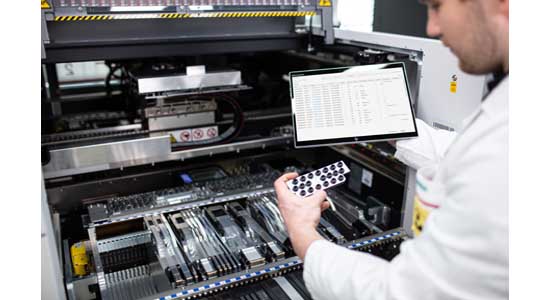
Image source: ASMPT