After completing my engineering , I had the opportunity to work in a PCB production factory where I got practical experience in electronic manufacturing, quality inspection, and circuit board production. Before joining the industry, I studied about printed circuit boards mostly from textbooks. And working inside a real manufacturing environment completely changed my understanding of how important PCB manufacturing is for modern electronics.
Understanding PCB Manufacturing
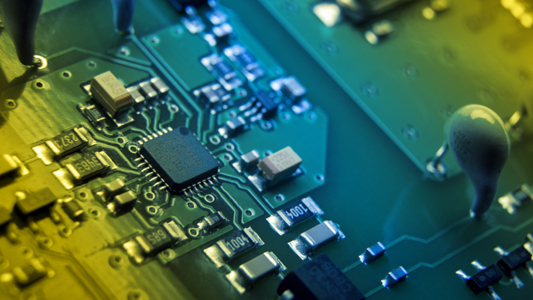
PCB manufacturing is the process of making printed circuit boards that mechanically support and electrically connect electronic components. These boards create conductive pathways that allow signals and power to move between different electronic parts.

PCB board is usually made from layers of copper laminated onto non-conductive materials such as fiberglass. Manufacturers use advanced machinery and chemical processes to create electrical pathways according to circuit board designs.While working in the production department, I learned that the accuracy of the pathways is extremely important. If the trace width is incorrect or if layers are slightly misaligned, it can lead to overheating, short circuits, or unstable device performance.

My Experience Working in a PCB Factory
Working in the PCB factory after my engineering gave me practical exposure to real industrial manufacturing processes.when i got the opportunity to observe several stages of PCB production, including drilling, solder mask application, testing, and quality inspection.
The experience taught me that high-quality PCB manufacturing requires more than just advanced machinery. It also depends on skilled workers, proper materials, and strict inspection procedures.
Why PCB Manufacturing Is Important
PCB manufacturing plays an important role in determining the reliability and performance of electronic products. Low quality boards can lead to electrical failures, overheating issues, and reduced product life.
PCB manufacturing provides several important benefits:
- Better electrical conductivity
- Improved thermal management
- Compact and lightweight device designs
- Stable signal transmission
- Reduced manufacturing defects
- Higher durability and reliability
Because of these advantages, PCB technology has become essential in almost every modern industry.
Types of Printed Circuit Boards
Different Electronics products require different types of printed circuit boards depending on complexity and performance needs.
Single-Sided PCBs
Single-sided PCBs contain material on only one side of the board. These are simple and cost-effective boards which are used in basic electronic products such as calculators, LED lights, and small household products .
Double-Sided PCBs
Double-sided boards have copper layers on both sides of pcb boards . These are the commonly used in industrial electronics and power systems.
Multilayer PCBs
Multilayer PCBs contain multiple conductive layers stacked together on PCB Boards . These boards are mainly used in smartphones, laptops and networking devices because they support compact and high-speed designs.
Rigid-Flex PCBs
Rigid-flex boards combine from both side sections with the single design. Aerospace and defense industries mainly used the boards because they provide durability and save installation space.
The PCB Manufacturing Process
PCB Design
The process begins with PCB layout design using CAD software. Engineers carefully place components and create routing paths to ensure proper signal flow.
Circuit Pattern Transfer
The designed circuit pattern is transferred onto copper-clad laminate using photoresist and ultraviolet light exposure.
Etching
Chemical solutions remove unwanted copper, leaving only the required conductive traces.
Drilling
Automated drilling machines create holes for component mounting and interlayer connections. I personally found this stage very impressive because of the machine accuracy involved.
Layer Lamination
For the multilayer boards, manufacturers and bond multiple layers together using heat and pressure.
Solder Mask Application
A solder mask coating protects the board against oxidation and short circuits.
Surface Finishing
Surface finishes improve solderability and protect the exposed copper from corrosion.
Electrical Testing
Every PCB electrical Boards and visual inspection before shipment. Automated testing systems help to identify the defects quickly and maintain product reliability.
Industries That Depend on PCB Manufacturing
PCB technology supports almost every modern industry.
Consumer Electronics
Smartphones, laptops, gaming systems, and smart TVs all rely on the advanced PCBs for efficient operation.
Automotive Industry
Modern vehicles used the PCBs in engine control systems. electric vehicle technology, sensors, and infotainment systems.
Industrial Automation
Factories use PCB-based systems in robotics, PLC controllers, and automation equipment to improve productivity.
Medical Equipment
Medical devices require highly reliable PCBs to ensure patient safety and accurate operation.
Aerospace and Defense
Aircraft communication systems and military electronics depend on durable and high-frequency PCB solutions.
Factors That Define High-Quality PCB Manufacturing
Based on my practical experience, several factors are essential for maintaining manufacturing quality.
High-Quality Materials
Using premium substrate materials improves durability and heat resistance.
Precision Manufacturing
Accurate drilling, trace routing, and layer alignment help reduce electrical failures.
Strict Quality Control
Inspection systems and electrical testing ensure reliable performance.
Skilled Workforce
Experienced engineers and machine operators are maintaining production standards.
Industry Compliance
The manufacturers follow standards and Rules such as ISO, IPC, and RoHS to maintain international quality requirements.
Future of PCB Manufacturing
PCB manufacturing in the electronics industry has become more advanced. Today Technologies such as AI-based systems, automatic production lines, and high-density interconnect boards are shaping the future of the industry.
manufacturing is also becoming important. At this time many companies are working on eco-friendly productions and recyclable materials to save the earth .
Based on what I observed while working in the factory, the demand for advanced PCB solutions will continue growing as industries move toward automation, electric vehicles, smart devices, and AI-powered systems.
Conclusion
Working in a PCB manufacturing company after done my engineering studies it gave me valuable real-world experience and a deeper understanding of the PCB industry. I realized that PCB manufacturing is far more than a simple production process.
the automation industry systems to everyday consumer electronics, high-quality PCBs ensure reliability, efficiency, and long-term performance. As technology continues advancing, the role of PCB manufacturing will become more important in supporting innovation across over the world.