


By Michaela Schnelle, Sr. Associate Product Manager, Littelfuse, Inc.
In modern high-end consumer electronics, the smallest components often define the user experience. Whether it’s the power button on a garden tool or steam cleaner, a mode selector on a premium home cooker, or an interface switch in a smart watch for outdoor sports, tactile switches play a vital role in ensuring consistent performance and precise feedback across millions of actuations.
For design engineers, choosing the right contact plating material is a key factor in determining switch reliability and device longevity. Gold plating offers a unique combination of electrical conductivity, corrosion resistance, and mechanical endurance that makes it indispensable in applications with near-zero tolerance for failure.
While tin and silver remain common in mass-market designs, gold-plated tactile switches provide the superior signal integrity, oxidation resistance, and thermal stability demanded by premium, high-reliability consumer devices—especially where space, current, and environmental margins are tight.
Gold-Plated Tactile Switches in Precision Electronics

Figure 1. Gold-plated tactile switches deliver consistent performance and extended lifecycle reliability in high-end consumer devices that are exposed to heat, moisture, and vibration.
In compact devices, every millimeter of PCB space counts, and thermal management challenges are even more pronounced. Gold plating ensures that low-current signal contacts remain oxidation-free—even when enclosed in small, warm environments that accelerate degradation in conventional materials. This reliability makes gold-plated tactile switches particularly valuable for wearables, smart accessories, and miniature control modules used in premium consumer electronics.
Why Gold-Plating Matters in Miniaturized Designs
Tactile switches rely on metal-to-metal contact closure to complete a circuit. In high-density electronics, contact areas are smaller, currents are lower, and tolerances are tighter. Under these conditions, even microscopic oxide films can increase resistance or cause intermittent operation.
Gold’s chemical inertness prevents the formation of these films, ensuring consistent contact resistance and signal transmission over time. Its thermal stability and ductility also help maintain contact alignment under repeated mechanical stress and temperature cycling—key for compact, portable products that experience constant movement and environmental variation.
Applications Where Gold Excels
Gold plating’s most significant benefits are evident in high-reliability consumer and portable devices, where size, performance, and longevity must coexist.
1. Wearables and Smart Health Devices
Premium smart watches for outdoor sports and medical wearables operate continuously in close contact with the human body—exposed to perspiration, skin oils, and temperature fluctuations. Gold-plated tactile switches resist corrosion in these chemically active environments while maintaining low, stable contact resistance in low-current sensor circuits.
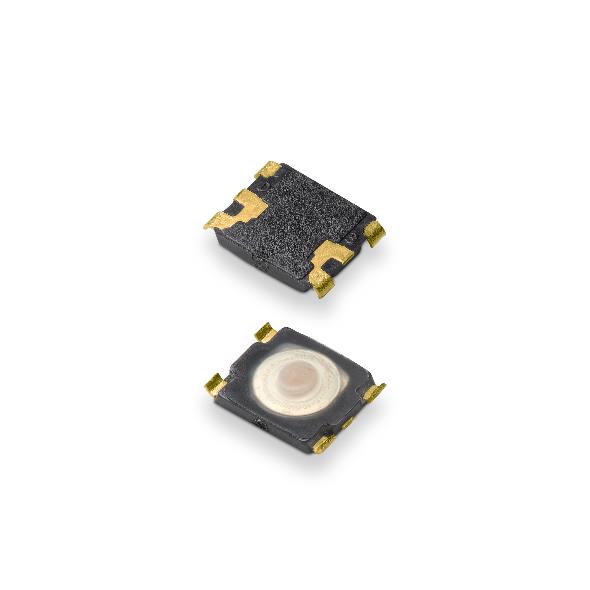
Figure 2. KMT0 gold-plated switches are often the best fit due to their ultra-low profile and excellent reliability in confined spaces. KMR may also be used depending on mechanical requirements.
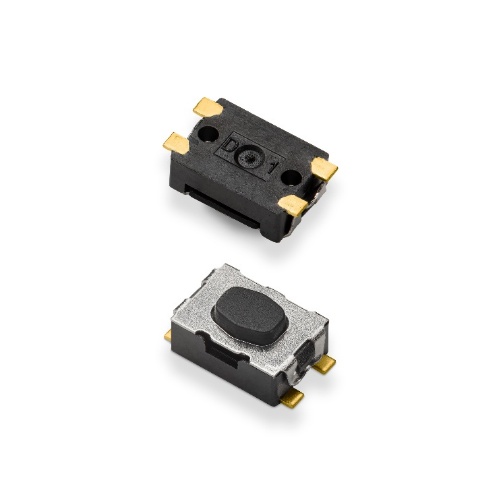
Figure 3. Tactile switches featuring gold-plated contacts and IP67 sealing—like C&K’s KMR623NG ULC LFG—provide reliable actuation and signal performance in compact enclosures subjected to sweat, humidity, and mechanical shock.
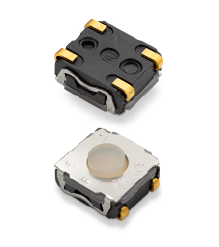
Figure 4. C&K’s KSC223J LFG switch combines gold-plated contacts with a robust mechanical design rated for up to one million cycles—delivering precise actuation and low electrical noise ideal for professional and high-performance handheld products.
2. Portable and Handheld Electronics
Many high-end digital cameras, audio interfaces, and wireless earbuds rely on tactile controls that must function reliably after thousands of presses. Where the price point allows, gold plating ensures consistent haptic response and electrical reliability despite exposure to humidity, oils, and micro-vibration during handling.
3. Premium Consumer Appliances & Tools
Premium Ovens / Home Cookers: High-end countertop and built-in oven interfaces may require tactile switches that withstand elevated ambient temperatures inside control panels. Gold-plated contacts maintain electrical stability and prevent oxidation, even under high-temperature conditions that degrade tin- or silver-plated contacts.
Steam Cleaners / Garden Tools: Products such as premium steam cleaners, mops, and garden tools operate in moist, corrosive environments. Gold-plated tactile switches provide superior corrosion resistance, ensuring long-term reliability in devices exposed to steam, water, cleaning agents, or outdoor humidity.
4. High-End Home Electronics and Gaming Devices
In high-end home electronics, users expect a crisp, consistent tactile feel over years of operation. Gold-plated contacts prevent the performance drift that is common with silver or tin, maintaining that “like-new” actuation long after standard switches have degraded.
Engineering Advantages of Gold-Plated Contacts
Stable Electrical Performance in Low-Current Circuits
As microcontrollers, sensors, and signal processors in compact electronics operate at sub-10 mA levels, non-noble contact materials can develop oxide barriers that interfere with low-level switching. Gold’s inert surface prevents such films, keeping contact resistance in the 10–50 mΩ range throughout the product’s lifecycle.
Reduced Contact Bounce and Noise
Gold’s smooth surface minimizes mechanical asperities that cause contact bounce—reducing false triggers and improving signal cleanliness. In high-precision electronics, this results in quieter operation and more accurate signal interpretation without the need for extensive software filtering.
Thermal and Mechanical Stability
Gold’s resistance to thermal expansion and micro-cracking allows switches to operate reliably from -40 °C to +125 °C. This is especially beneficial for compact consumer devices where heat buildup from batteries or processors can challenge mechanical tolerances.
Design Considerations and Lifecycle Economics
Gold plating adds modest cost but provides substantial value in designs where longevity, reliability, and brand reputation matter. In premium consumer devices, reliability issues can result in product returns, negative user perception, and costly warranty claims—far outweighing the small material investment.
By specifying gold-plated tactile switches early in the design process, engineers can:
• Ensure signal stability in ultra-low current sensor circuits.
• Eliminate oxidation-related failure modes in sealed or semi-sealed enclosures.
• Maintain consistent tactile feel across millions of actuations.
• Reduce long-term maintenance and field failure rates.
Real-World Example: Gold Plating Pays Off in High-Temperature Control Electronics
When a premium countertop cooking appliance manufacturer faced contact failures in a heat-intensive control module, the design team adopted a gold-plated tactile switch. The improved thermal stability of the gold surface prevented oxidation and maintained consistent contact resistance even under repeated high-temperature cycles.
Despite a higher unit cost, the switch’s performance led to reduced warranty claims and improved user satisfaction, demonstrating that application-specific reliability demands often justify the investment in gold plating for high-end consumer electronics.
Balancing Cost, Performance, and Application Needs
While gold plating may not be necessary in all devices, it becomes essential in compact designs where low current, high temperature, or long lifecycle expectations intersect.

Engineers should evaluate:
• Signal Level: Gold is ideal for dry-circuit switching under 100 mA.
• Thermal Conditions: Compact, battery-powered systems benefit from gold’s heat resistance.
• Product Longevity: Premium devices and wearables demand lifecycle stability beyond standard consumer thresholds.
• Actuation Feel: Gold’s smooth surface delivers precise tactile feedback throughout the device’s life.
C&K tactile switch series, such as the KMR623NG ULC LFG (sealed, ultra-low current), KMT0 (ideal for extremely tight wearable designs), and KSC223J LFG (compact, long-travel, long-life), enable engineers to balance reliability and design flexibility across multiple product platforms.
Building a Foundation for Long-Term Reliability
As consumer electronics evolve toward thinner, smarter, and more feature-rich designs, engineers face mounting pressure to deliver devices that are both durable and delightfully tactile. Gold-plated tactile switches offer an elegant materials-based solution—combining superior conductivity, corrosion resistance, and thermal stability to ensure flawless operation across millions of actuations.
From premium appliances and moisture-prone consumer tools—gold plating protects the smallest yet most critical interaction point between the user and the device. In next-generation electronics, reliability begins at the contact surface—and when that surface is gold, performance endures.
Sidebar: When to Specify Gold-Plated Tactile Switches in High-End Consumer Electronics
Gold plating is not typically required for mainstream consumer electronics. Littelfuse generally recommends gold-plated tactile switches for Industrial, Telecom, and Medical designs where reliability margins are critical. However, there are select high-end consumer applications where gold’s corrosion resistance, thermal stability, and low-contact-resistance performance deliver meaningful value.
Use gold-plated tactile switches when:
1. Ultra-Low Signal Circuits in Wearables
Smartwatches and fitness wearables operate at microamp currents and in humid, sweat-prone environments. Gold prevents oxide buildup that can cause false triggering, and low-profile options like KMT0 support tight mechanical constraints.
2. Moisture-Exposed Premium Consumer Devices
Steam cleaners, steam mops, and premium garden tools operate in high-humidity and corrosive environments. Gold plating resists both moisture and chemical exposure far better than silver or tin.
3. High-Temperature Control Electronics
Premium ovens, countertop cookers, and smart cooking appliances often use switches inside warm enclosures. Gold maintains stable contact resistance, while tin or silver would oxidize.
4. High-Touch Interfaces Requiring Long-Term Consistency
Power keys, mode selectors, and UI controls in high-end consumer electronics must retain the same tactile feel for years. In applications that warrant it’s use, gold’s low friction and wear resistance preserve long-term actuation quality.
5. Brand-Sensitive or Long-Lifecycle Products
Devices with premium expectations—or long warranty periods—benefit from gold’s stable electrical performance and reduced risk of field failures.
Bottom line: In select high-end consumer applications, gold plating is not an aesthetic upgrade—it is a reliability strategy, particularly where moisture, heat, low current, or long lifecycle expectations converge.
Sidebar 2: FAQ: Gold-Plated Tactile Switches for High-End Consumer Electronics
Why use gold plating instead of silver or tin in certain high-end consumer devices?
Silver and tin oxidize over time—especially in hot or humid environments such as wearables, steam cleaners, or cooking appliance interfaces. Gold does not oxidize, ensuring stable contact resistance and low electrical noise even at microamp-level switching currents.
Are gold-plated tactile switches necessary for all consumer products?
No. Most mass-market consumer electronics do not require gold plating. However, premium devices—particularly those exposed to heat, moisture, or very low currents—can benefit significantly from gold’s corrosion resistance and stable electrical performance.
Do gold-plated switches offer better long-term reliability?
Yes. Gold plating resists fretting corrosion, moisture-induced degradation, and wear. In high-touch or high-temperature products—such as digital cameras, smartwatches, and premium cooking appliances—this can extend operational life well beyond alternatives.
Can gold-plated contacts withstand harsh environments, such as steam or outdoor humidity?
Absolutely. Gold remains stable in corrosive, moisture-rich environments where non-noble metals degrade. This makes it well-suited for premium steam cleaners, outdoor garden tools, and other devices exposed to aggressive humidity cycles.
Isn’t gold plating too expensive for consumer products?
For mass-market devices, yes. But in premium consumer categories where reliability impacts brand reputation, user satisfaction, or warranty exposure, the incremental cost of gold plating is typically far outweighed by long-term performance benefits.
What types of consumer products benefit the most from gold-plated tactile switches?
Products that combine low-current switching, harsh environments, or long lifecycle expectations, including smart wearables (KMT0/KMR), high-end oven interfaces, steam cleaners, garden tools, and premium audio or camera gear.
Reference
Learn more about gold-plated tactile switches (view the video)