



By: Electronics Era
The Convergence of Electronics, Biotechnology and Artificial Intelligence is Redefining Modern Medicine
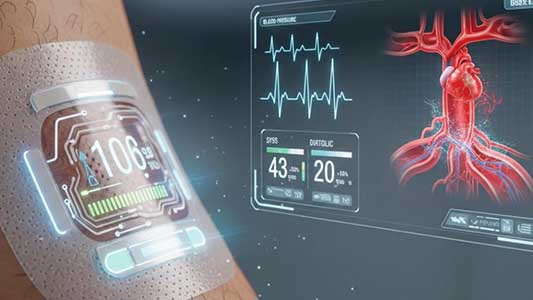
Healthcare is currently experiencing one of the greatest transformations due to technological innovation. With the development of semiconductor technology, biosensors, flexible electronics, artificial intelligence (AI), wireless technology, and new materials, the medical sector has started transitioning from the current method of treatment to more advanced continuous, personalized, and preventive care. The backbone of this revolution is bioelectronics—a growing branch of engineering which incorporates electronics into the human body and its functions in order to monitor, diagnose, and treat the disease.

To facilitate this transition to a higher level of healthcare, the medical sector has been developing devices that will allow for continuous health monitoring and even therapy while being portable and easily manageable remotely. For example, there are now smartwatches that can help in detecting cardiac irregularities and diabetes sensors for glucose monitoring, neural implants for movement restoration and restoration of hearing ability via cochlear implants, etc.
This transformation is due to the convergence of several factors such as small size, flexibility, low power consumption of integrated circuits, artificial intelligence, high-speed wireless communication, MEMS, and many others. Therefore, with the shift of paradigm in healthcare to patient-oriented continuous monitoring, bioelectronics becomes one of the most active industries of electronics.
Understanding Bioelectronics
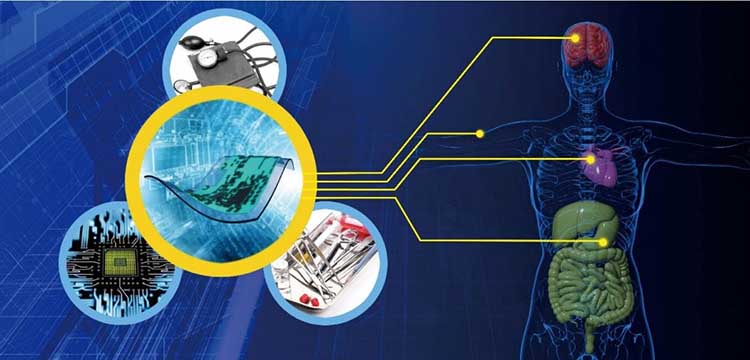
Bioelectronics involves a multidisciplinary approach that integrates electrical engineering, electronics, biology, materials science, and medicine to create devices that interact with biological tissues and physiological processes.
In contrast to the traditional medical devices that observe or measure the biological activity, bioelectronics creates a bidirectional interaction between the device and the body. Bioelectronics are capable of sensing electrical, chemical, and mechanical signaling of the biological systems and, in some cases, provide specific electrical stimulation of physiological processes.
Bioelectronics have a wide range of applications in medicine and include areas such as heart function control, neurology, diabetic treatment, rehabilitation, ophthalmology, deafness treatment, pain control, pharmacological applications, and tissue regeneration.
The emergence of flexible electronics and biocompatible materials greatly contributed to the development of devices that are in harmony with natural contours of the body.
The Rise of Wearable Medical Electronics
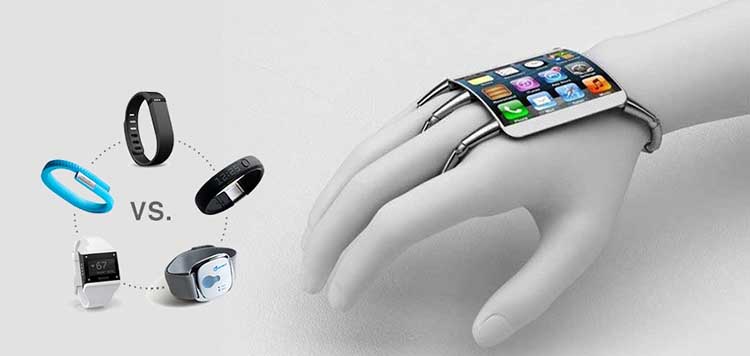
Today, wearable technology has transformed from simple fitness trackers to advanced medical-grade devices with capability to monitor various physiological parameters continuously.
A modern wearable device uses several different kinds of sensors such as:
- Cardio (ECG)
- Pulse wave analysis (PPG)
- Cerebral (EEG)
- Muscle contraction (EMG)
- Oxygen level in blood (SpO₂)
- Temperature of body
- Respiratory rate
- Blood pressure
- Motion and physical activity
- Sleep pattern analysis
- Stress
Continuous analysis of data generated by these sensors is performed through AI algorithms for detection of any abnormalities and prediction of progression of diseases.
Implantable Electronics: Extending Technology Inside the Human Body
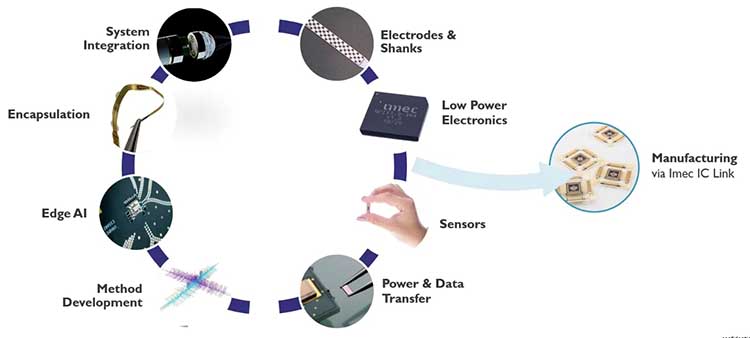
Implantable medical electronics is an example of an area of engineering that has achieved significant success. They are designed to function effectively inside the body for many years. Implantable medical devices consist of tiny electronics, high-quality packaging, ultralow power ICs, wireless communication, and biocompatible materials.
They include cardiac pacemakers, implantable cardioverter defibrillators (ICD), deep brain stimulator, cochlear implants, retinal prosthesis, spinal cord stimulators, neurostimulators, and implantable glucose sensor.
Implantable electronic devices are used for monitoring physiology and treatment when necessary. Cardiac pacemaker is able to detect irregular heartbeats and sends electrical pulses, which help to restore the normal heartbeat rate. Deep brain stimulators provide electrical stimulation of certain areas of the brain to alleviate symptoms of different neurological disorders like Parkinson’s disease.
There are also new types of bioelectronic implants, which are used to treat epileptic seizures, chronic pain, bladder control, gastrointestinal diseases, and inflammatory diseases.
Biosensors: The Foundation of Intelligent Healthcare
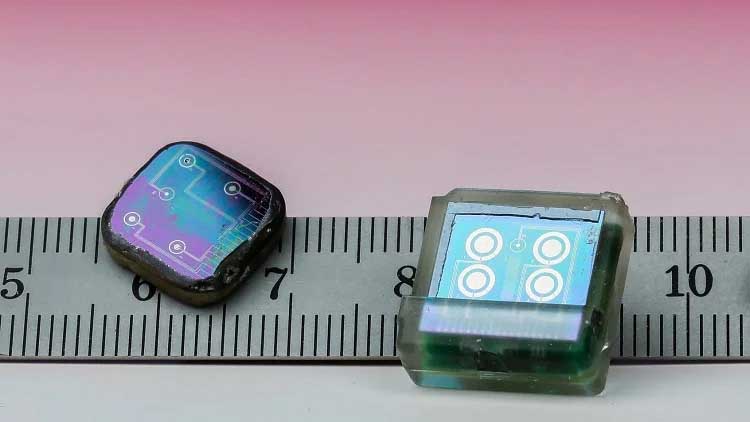
The key component of any bioelectronic device is the biosensor.
Biosensors transform biological, chemical, or physical stimuli into an electrical response. Advances in terms of increasing sensitivity and selectivity and miniaturization of devices have led to a great expansion of their use in medicine.
Some commonly used biosensors include sensors for the detection of:
- Glucose
- Lactate
- Cortisol
- Oxygen saturation
- Heart rate
- Blood pressure
- Electrolytes
- Hydration
- Biomarkers that are indicative of infections and chronic diseases
Flexible and stretchable biosensors integrated in wearable patches are capable of continuous monitoring of biochemical changes via sweat, saliva, tears, or interstitial fluid sampling without needing invasive blood testing.
Scientists are also working on multi-analyte biosensors capable of monitoring multiple physiological indicators at once.
Flexible and Stretchable Electronics
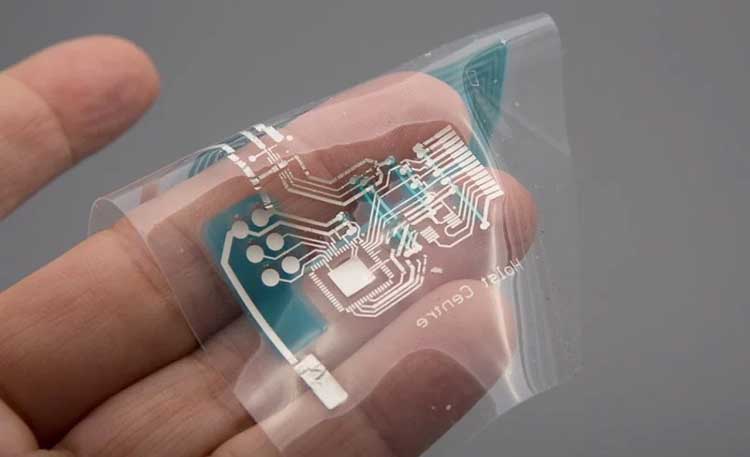
Among the innovations contributing to wearables for healthcare is the development of flexible and stretchable electronic circuits.
Conventional rigid PCBs can’t bend and stretch comfortably on the human skin surface or body tissue surfaces. Flexible electronics employ thin polymer substrates, conductive ink, nanomaterials, and flexible ICs that have the capability to bend, stretch, and flex without losing their electrical characteristics.
Such devices can be used for:
- Intelligent skin patch
- Electronic bandage
- Flexible ECG electrode
- Nerve interface devices
- Epidermal electronics
- Stimulable fabrics
Benefits of stretchable electronics include improvement in signal acquisition through close contact with the skin surface without motion artifacts usually observed in rigid sensors.
Printable electronics and roll to roll printing are projected to reduce costs of manufacturing and facilitate commercialization.
Artificial Intelligence in Personalized Healthcare
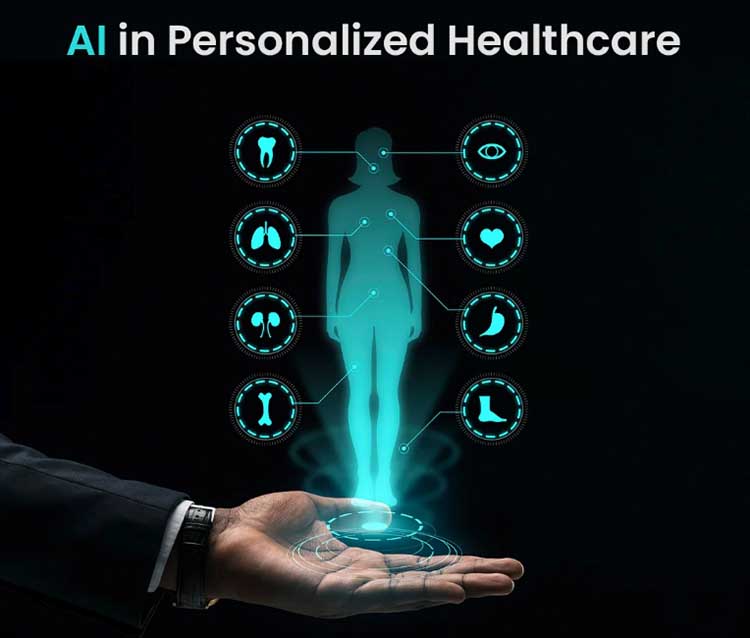
Without AI, the huge amounts of physiologic data from wearable devices will become hard to understand.
Machine learning uses continuous readings from sensors to detect the patterns that relate to disease progression, effects of medications, and possible health problems.
Examples of applications are:
- Detection of cardiac arrhythmias
- Evaluation of sleep disorders
- Detection of diabetes
- Detection of falls
- Early detection of infections
- Personalized fitness recommendations
- Monitoring of mental health
- Healthcare analytics
AI also begins to help physicians in summarizing patient history, evaluating long-term physiological patterns, and offering personalized treatment recommendations.
AI does not replace physicians but gives more information about patients’ health.
Wireless Connectivity and Remote Patient Monitoring
Connectivity has emerged as one of the hallmarks of bioelectronics in contemporary times.
The wearable as well as implantable gadgets are increasingly connected through various means such as Bluetooth Low Energy (BLE), Wi-Fi, Near Field Communication (NFC), cellular networks, and novel low power wide-area communication solutions.
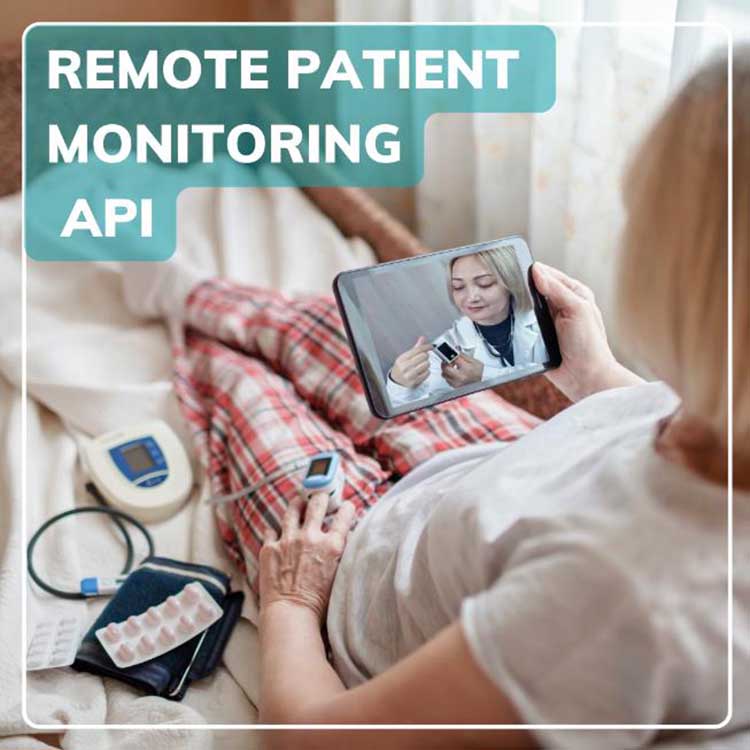
The use of Remote Patient Monitoring (RPM) tools allows healthcare professionals to continuously monitor the physiological parameters of patients without needing them to stay in the hospital.
These features offer multiple advantages, including the following:
- Less hospitalization
- Early diagnosis
- Saving healthcare costs
- Management of chronic diseases
- Increased patient engagement
- Treatment compliance
Semiconductor Innovation Driving Medical Electronics
All the tremendous development in bioelectronics would not be possible without the advancement of semiconductors.
Medical devices are currently built using the very complex and integrated system-on-chip (SoC) architecture that integrates controllers, analog front-ends, processing units, wireless transceivers, power management circuits, memory, and artificial intelligence accelerators.
Semiconductor technologies that consume very little power help increase battery lifespan and allow for implants to function properly for many years without going through any surgery.
MEMS sensors continue shrinking, becoming more precise and more energy-efficient, while new packaging techniques allow for the improvement of miniaturization and at the same time increasing reliability.
New semiconductor technologies, such as GaN, SiC, and advanced CMOS technologies, provide greater functionality for future medical devices.
Power Management and Energy Harvesting
Power consumption continues to be a critical problem in the development of wearable and implantable technologies.
Battery recharging is troublesome in the case of wearables and becomes impossible in the case of implantable devices.
Scientists have been inventing new sources of energy, which include:
- Wireless recharging
- Inductive power transmission
- Harvesting of body heat
- Piezoelectric energy harvesting
- Energy harvesting using motion
- Solar assisted charging in wearables
- Biofuel cells using body chemistry
Ultra low power consumption in conjunction with smart power management increases device longevity.
Biocompatibility and Reliability
Any medical device designed to have long-term interaction with biological systems needs to meet demanding standards of reliability and safety.
These devices need to undergo thorough evaluation with regard to:
- Biocompatibility
- Resistance to corrosion
- Hermeticity
- Durability
- Sterilizability
- Heat dissipation
- Electromagnetic compatibility (EMC)
- Stability of electrical parameters
Such devices should be able to operate reliably for years in chemically active biological environment.
Accelerated life testing, environmental qualification, and validation contribute to patient safety.
Cybersecurity in Connected Medical Devices
As medical devices get more and more interconnected, cybersecurity is becoming an integral part of their design.
Uncontrolled access to implantable devices or remote monitoring systems could be detrimental to patient’s safety and privacy.
That is why modern medical electronics contain the following elements:
- Hardware security
- Secure boot
- Encryption
- Authentication
- Trusted execution environment
- Secure firmware update
- Threat monitoring
Cybersecurity risk assessment is becoming a mandatory requirement for regulatory agencies.
Emerging Frontiers in Bioelectronics
Bioelectronic medicines of the future have transitioned from observation to intervention.
Scientists are working on creating devices that target certain nerves and heal chronic diseases through the stimulation of those nerves without using any drugs.
Brain-computer interfaces (BCIs) provide opportunities for communication between the brain’s activity and electronic devices and hold the potential of transforming the life of people with paralysis or neurological problems.
There are numerous other fast-developing fields such as electronic tattoos, biodegradable sensors, injectable electronics, soft robotics prosthetics, organ-on-a-chip systems, and biohybrid electronic devices.
The development of nanotechnology leads to the creation of implantable devices on microscopic scales that can monitor the cellular activity.
All of the aforementioned innovations can be combined with the use of artificial intelligence (AI) and novel materials.
India’s Growing Role in Medical Electronics
India is quickly becoming an important center for the design, production, and development of medical electronics.
Government schemes for encouraging indigenous medical device production, semiconductor production, digital health facilities, and AI are improving the ecosystem of healthcare technology in the country.
The fast growth of telemedicine, health monitoring through wearable devices, and digital health solutions is leading to the increasing need for local biosensors, diagnostic tools, medical electronics, and healthcare devices.
Local startups, institutes, electronics companies, and healthcare organizations are cooperating to create affordable medical technologies for use not only in India but internationally too.
As the country develops its semiconductor ecosystem and improves electronics manufacturing, more opportunities will appear in biosensors, wearable electronics, implantable devices, and healthcare AI platforms.
Future Outlook
The future of healthcare will increasingly rely on intelligent electronic systems that monitor and respond to physiological signals. Advances in flexible electronics and artificial intelligence are propelling the shift towards predictive and personalized medicine. Wearable devices will evolve into diagnostic tools, while implantable systems will provide targeted therapies. AI analytics and cloud-connected ecosystems will enhance clinician decision-making and patient outcomes. The bioelectronics sector represents a significant growth opportunity for companies in sensors, semiconductors, and connectivity, playing a crucial role in the development of next-gen medical technologies. This convergence of engineering and biological science is set to revolutionize healthcare, providing earlier diagnoses and more effective treatments, ultimately improving quality of life.